
01
Round
Try first
Square, rectangle, and defined browline frames
Be careful with
Tiny round frames or very narrow rimless styles
Why it works
Straight edges add structure and keep the face from reading rounder.
AI Virtual Try On Glasses
Use AI Virtual Try On Glasses to upload a front-facing portrait, choose a real frame reference, and preview how different eyeglass shapes sit on your face without changing identity, eye direction, skin texture, or lighting.


Face-shape guide
AI try-on is best for narrowing direction first. Use this guide to avoid obvious mismatches, then compare details on your own portrait above.
Try first
Square, rectangle, and defined browline frames
Be careful with
Tiny round frames or very narrow rimless styles
Why it works
Straight edges add structure and keep the face from reading rounder.
Try first
Round, oval, slim metal, or lighter acetate frames
Be careful with
Heavy square frames or low-bridge black blocks
Why it works
Softer curves balance the jawline, while thinner rims reduce weight.
Try first
Most shapes work; start with square, cat-eye, or tortoise
Be careful with
Oversized frames that extend far past the cheekbones
Why it works
Oval faces are flexible; frame width and lens height matter most.
Try first
Light lower rims, clear acetate, rimless, or slim browline
Be careful with
Very heavy top rims or sharply lifted cat-eye corners
Why it works
A lighter lower half balances a broader forehead without adding width.
Try first
Oval, cat-eye, and softly lifted browline frames
Be careful with
Narrow rectangles or tiny lenses that pinch the cheek area
Why it works
Lifted or oval lines open the eye area and soften prominent cheekbones.
Try-on examples
Start with one upload-to-result comparison, then scan the same face wearing all six frame styles.
Upload to result
Check bridge contact, temple direction, and whether the eyes stay readable.
Same face, every frame

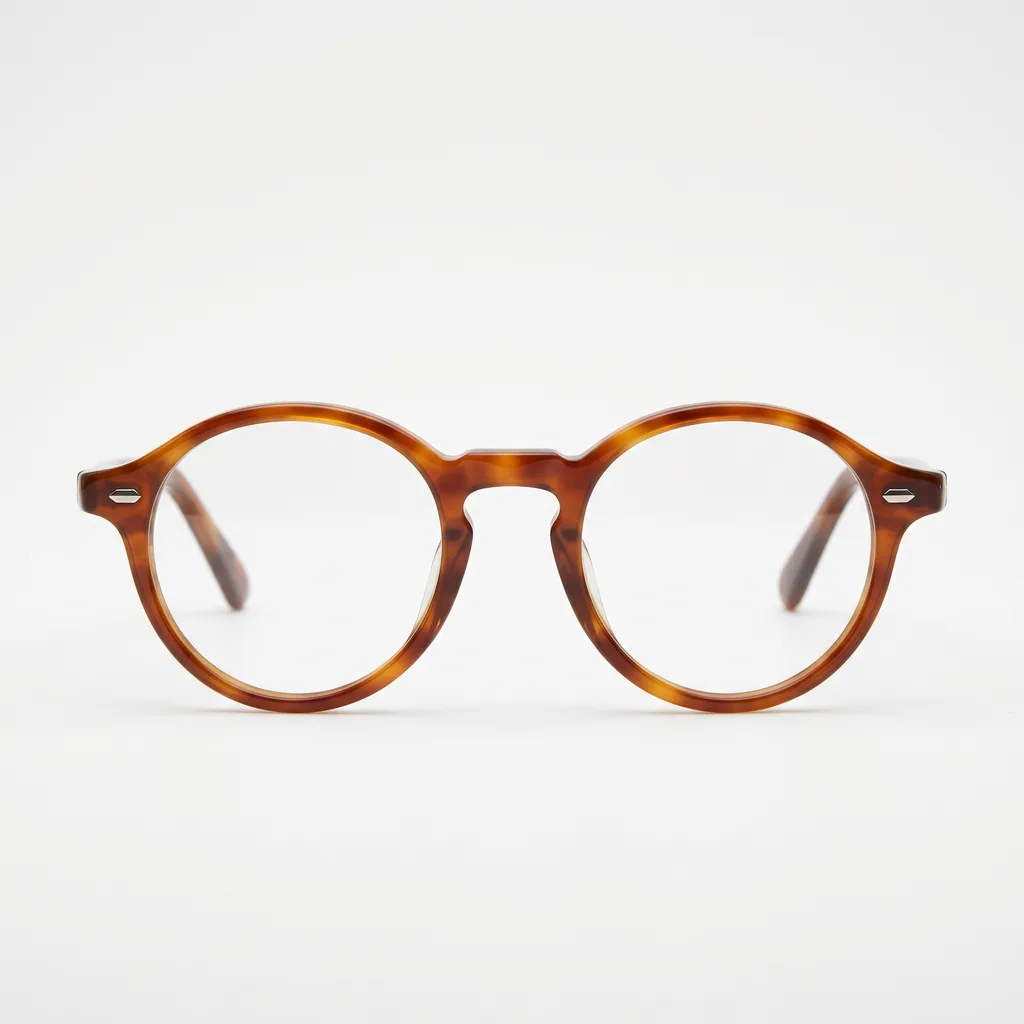
Softens the face and works well for creative or light retro direction.

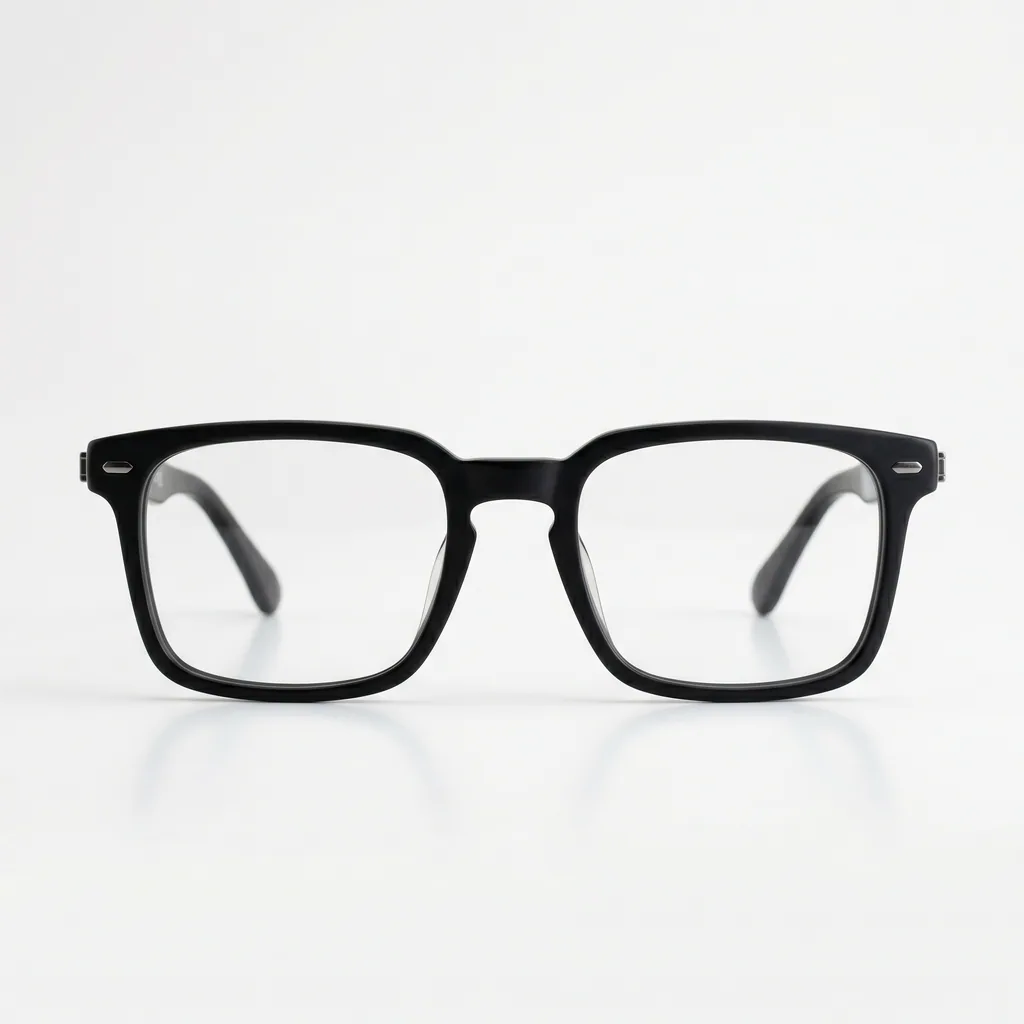
The clearest structure for business headshots and team-profile looks.

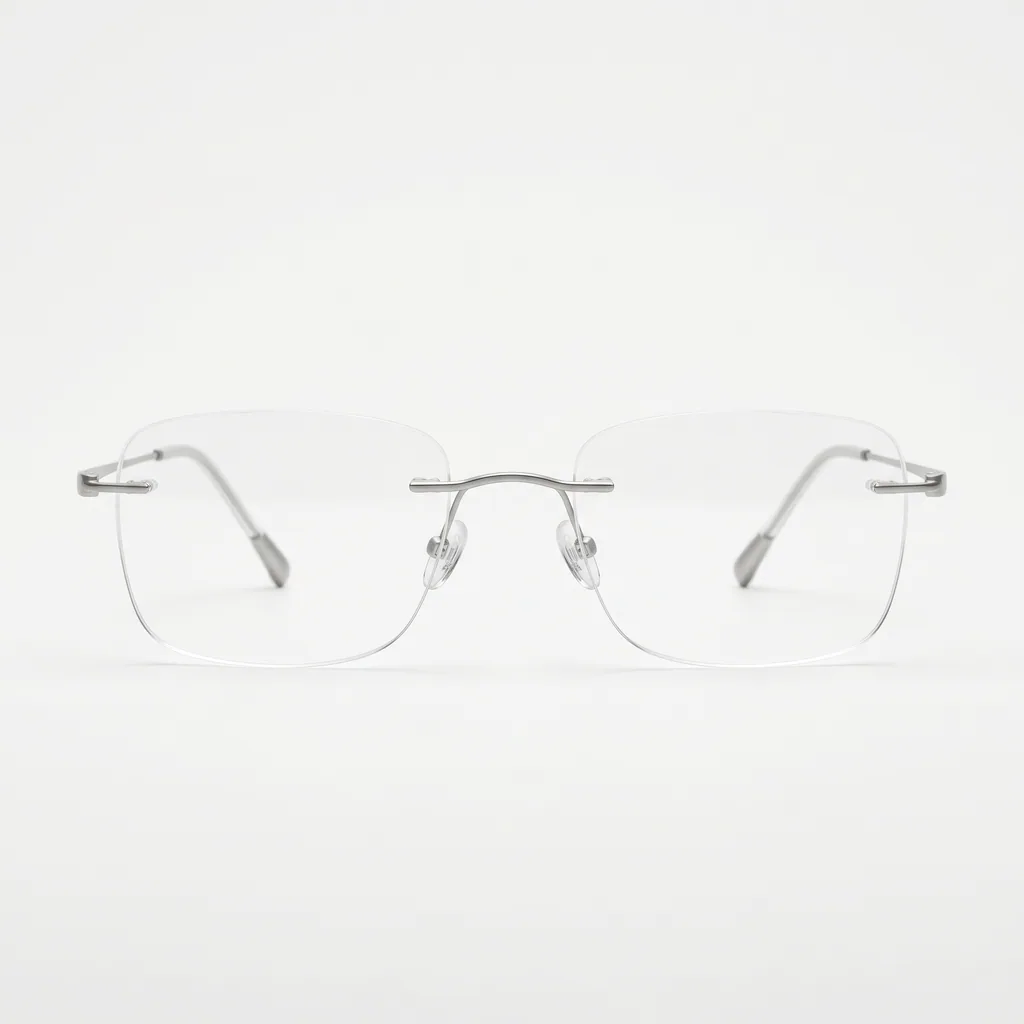
The lowest visual weight; inspect lens edges and nose pads closely.

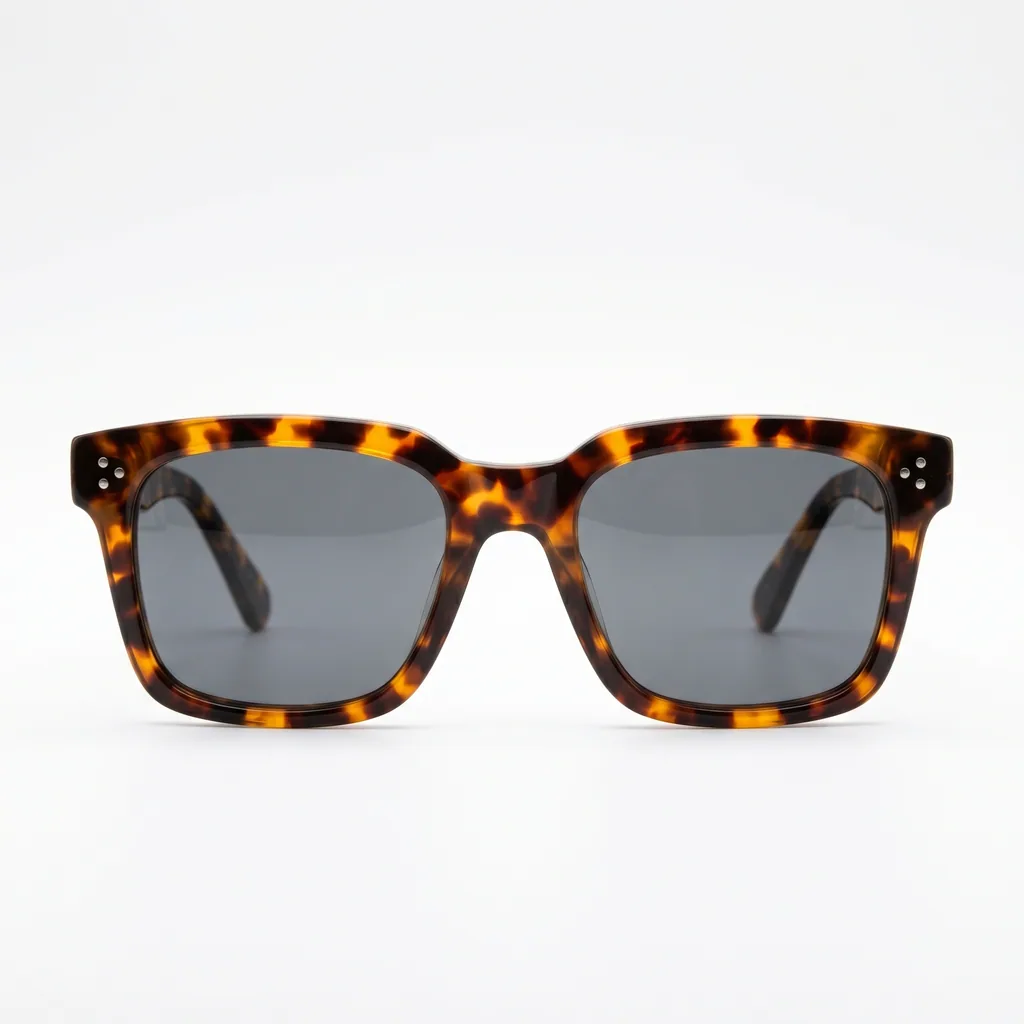
Higher visual weight for fashion direction and merchandising drafts.

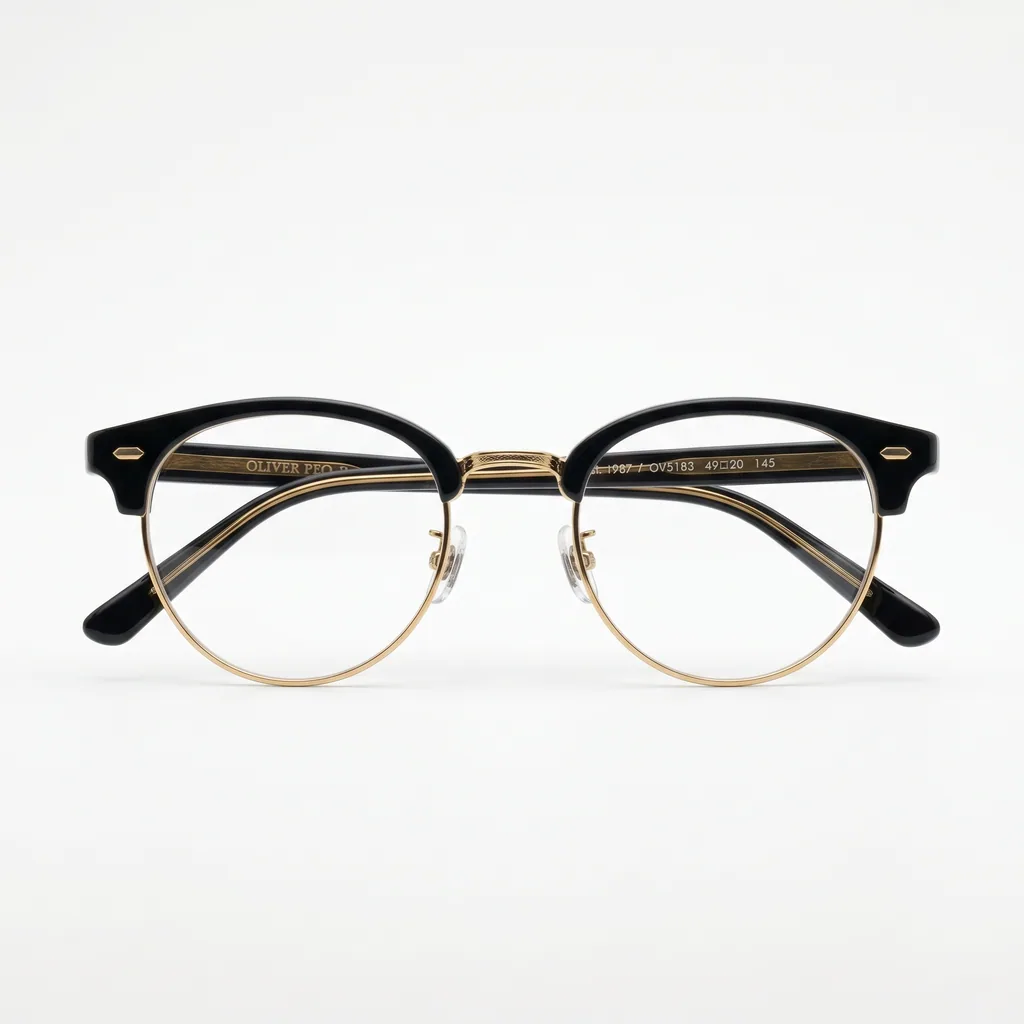
Emphasizes the brow and eye area for a sharper portrait read.

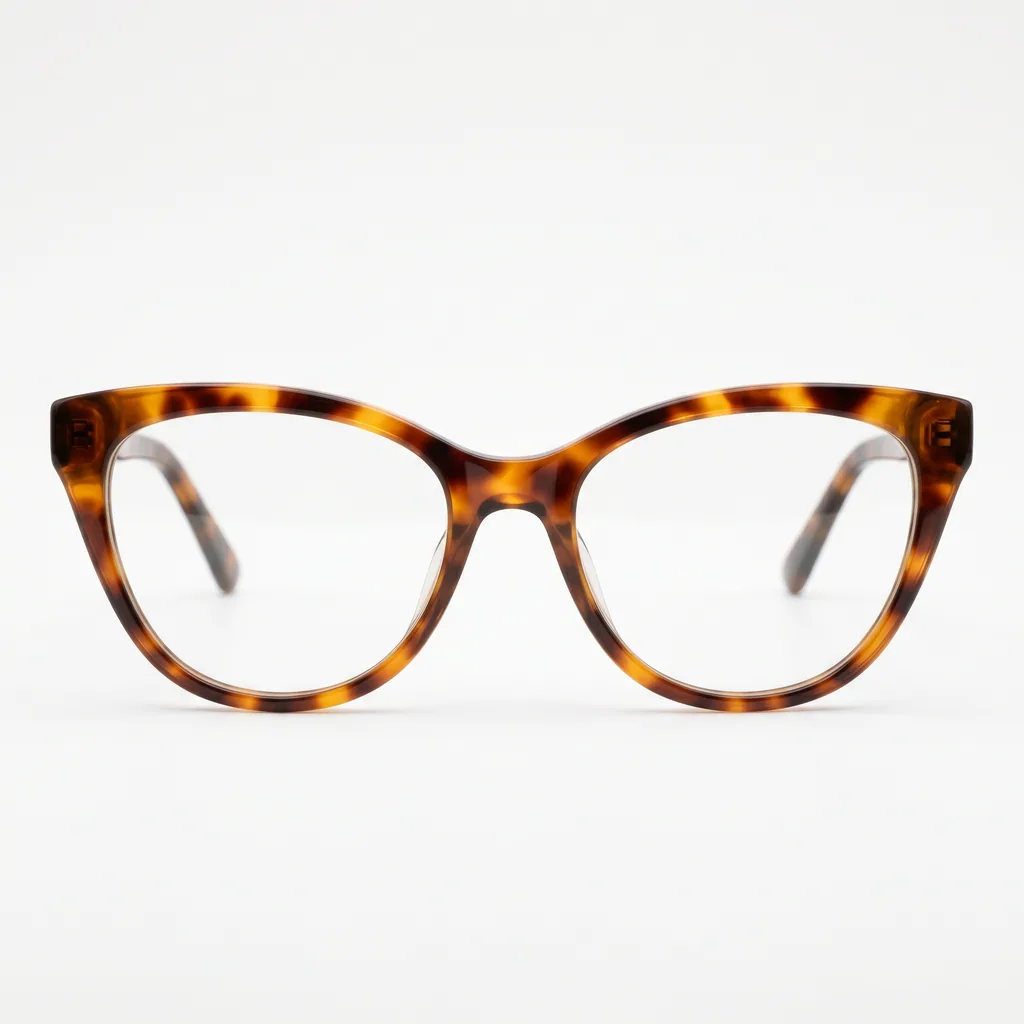
Lifted outer corners help test whether the face carries a styled look.

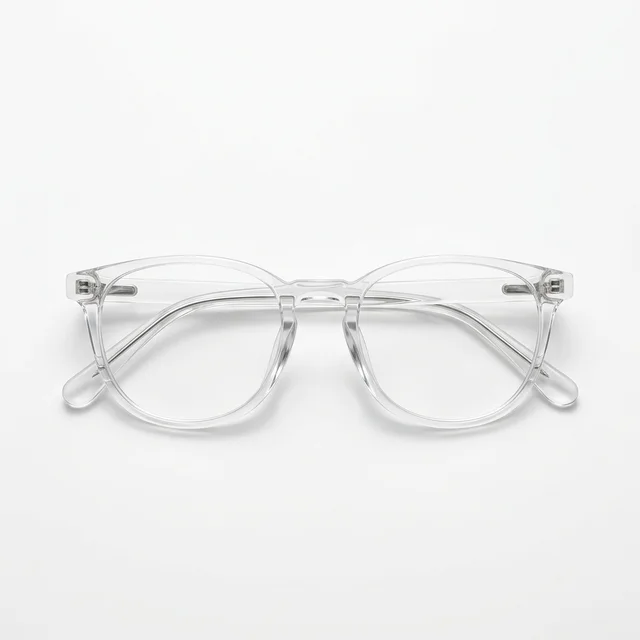
A near-invisible clear frame; inspect lens reflections and nose pads closely.

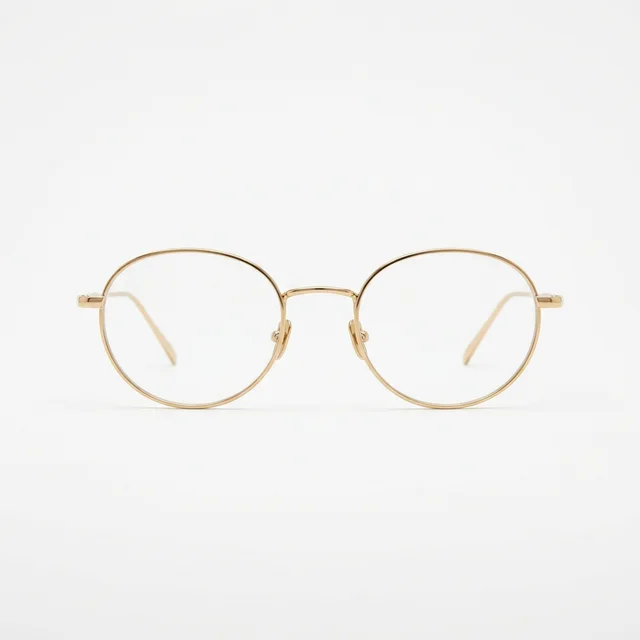
A thin metal oval; check metallic highlights and temple detail.
Method comparison
AI try-on does not replace prescriptions or real sizing. It is strongest for shortlisting shape, visual weight, and portrait presentation before buying.
| Factor | AI virtual try-on | In-store fitting | Webcam AR |
|---|---|---|---|
| Speed | Upload, pick a frame, generate; fast for narrowing direction | Requires travel, fitting, and photos; slowest | Instant preview, usually limited to integrated styles |
| Style range | Can expand with real references for concepts and shortlists | Limited by store inventory | Depends on whether the brand has 3D or AR assets |
| Privacy | Use consented portraits; avoid official ID photos | Stores may capture or store fitting photos | Usually needs camera permission and browser support |
| Accuracy | Good for style, proportion, and visual weight; not real sizing | Physical fitting is closest to real wear | Stable alignment, but material and lighting can feel simplified |
Photo prep
Most weak try-on results come from missing eyes, unclear bridge detail, or unstable lighting. Check these four points before uploading.
Both eyes, the bridge, and the face outline should be visible. Side angles make temples and nose pads drift.
Soft front light is most reliable. Harsh side light can darken one lens and confuse shadows.
Existing glasses hide the eyes and bridge, often causing double frames or warped lenses.
Close wide-angle selfies exaggerate nose and forehead size. Step back for a more realistic frame-width read.
Workflow
Use AI Virtual Try On Glasses for visual shortlisting, then confirm real measurements, prescription details, and retailer policies before buying.
Start with an adult, front-facing photo where both eyes, the nose bridge, and the face outline are visible.
Pick round acetate, square black, rimless, tortoise, browline, cat-eye, clear crystal, or oval gold so the model follows a concrete shape.
The hidden prompt asks the model to keep identity, eye direction, skin texture, lighting, and expression stable.
Zoom in on bridge height, frame width, lens edges, temple direction, and shadows before saving the result.
FAQ
Practical details for AI Virtual Try On Glasses, including portraits, fit limits, privacy, ecommerce use, and retrying weak results.
It is designed as an identity-preserving edit. Use a clear adult portrait and review the result for any face-shape, eye, skin texture, or expression changes before using it.
No prescription is needed for the preview, but the output is not a medical or fit measurement. Confirm lens prescription, bridge width, temple length, and return policies with the eyewear seller.
Use them as draft concepts or marketing mockups only when you have rights to the portrait and the frame design. For final commerce assets, verify product accuracy, model releases, and brand permissions.
Use a front-facing adult portrait with eyes open, even lighting, and no existing glasses blocking the eye area. Side profiles and heavy shadows make frame alignment less reliable.
No. The prompt asks the model to add eyeglasses while preserving the uploaded person. Do not use it for impersonation, deception, official IDs, or edits without consent.
Try another preset or regenerate. Check whether the portrait has a clear nose bridge and visible eyes; poor input photos often cause floating frames, warped lenses, or weak shadows.
Start with a prompt or reference, compare models, and save the best result to history. Upgrade when you need cleaner exports, stronger models, or more production volume.